If you’re planning a river adventure, you’ve probably asked yourself: rafting vs tubing which is better?
Both activities take place on flowing water. Both promise fun, splashes, and fresh air. But the experience feels very different once you’re actually on the river.
This guide breaks it down clearly. No hype. Just practical insight to help you choose the right adventure for your style, comfort level, and travel goals.
What Is Rafting?
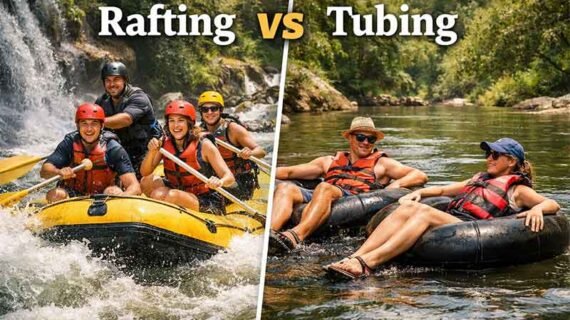
Rafting is a guided river activity where a group of people ride together in an inflatable raft. You paddle as a team while a trained guide gives instructions and navigates through rapids.
If you’re new to the sport, here’s a simple breakdown of what is river rafting.
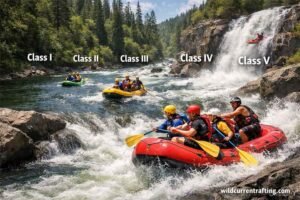
Rafting usually takes place on white water rivers, where the current creates waves and rapids. Rapids are classified from Class I (easy) to Class V (extreme). If you’re curious about the scale, check out this guide on class 1 to class 5 rapids explained.
Rafting is structured, guided, and team-based. It’s active. You paddle. You listen. You work together.
What Is Tubing?
Tubing is simpler. You sit in an inflatable tube and float down a river, usually solo. There’s often no guide, no paddling, and minimal gear.
Tubing works best on calm rivers with slow-moving water. It’s more about relaxing and drifting than navigating rapids.
Think of it as a lazy river, but natural.
Now let’s compare them directly.
Rafting vs Tubing Which Is Better for Adventure?
If you want adrenaline, rafting wins.
Rafting takes you through rapids, fast currents, and sometimes sharp turns. The guide may shout commands like “forward paddle” or “hold on.” Your heart rate goes up. You get wet. You laugh hard.
Tubing, on the other hand, is peaceful. You float. You chat. Maybe you bring a drink in a waterproof holder. It’s low effort and low intensity.
So if your goal is excitement and action, rafting is better.
If you want calm and chill, tubing might be enough.
Safety Comparison: Which One Is Safer?
This is where many people hesitate.
In general, rafting with a professional operator is very safe. You wear a helmet and life jacket. A certified guide leads the raft. Before you start, there’s always a safety briefing.
If you’re concerned, read this honest breakdown: is white water rafting dangerous guide.
Tubing may look safer because it feels gentle. But here’s the catch. Many tubing trips are unguided. If the river current increases or you hit shallow rocks, you’re on your own.
So rafting often has better safety systems in place, especially in professional destinations like Bali or Colorado.
Physical Effort: Which Is More Demanding?
Rafting requires moderate physical effort. You’ll paddle, brace your feet, and stay alert. You don’t need to be super fit, but basic stamina helps.
If you want to prepare properly, here’s a useful guide on how to prepare physically for rafting.
Tubing requires almost no effort. You sit and float. Sometimes you may need to paddle lightly with your hands to steer away from rocks.
If you prefer active adventures, rafting feels more rewarding. If you want zero effort, tubing is easier.
Group Experience: Social vs Solo
Rafting is highly social.
You’re in a raft with 4 to 6 people. You communicate. You laugh when someone almost falls in. You celebrate after surviving a big rapid. It builds instant connection.
Tubing is usually solo. Even if you float next to friends, each person controls their own tube. It’s less coordinated and more individual.
So rafting is better for team bonding, families, and group travel. Tubing suits couples or relaxed solo explorers.
Cost Comparison
When comparing rafting vs tubing which is better for your budget, tubing is usually cheaper.
Tubing often requires just a rental tube and maybe a shuttle service. Rafting includes guides, safety gear, insurance, and sometimes meals.
But here’s something important. With rafting, you’re paying for expertise, structured safety, and a curated experience. It’s not just transportation on water. It’s an organized adventure.
In destinations like Bali, rafting is still very affordable compared to many Western countries.
Scenery and Overall Experience
Both activities give you access to beautiful river landscapes.
But rafting routes are often chosen specifically for scenic value and safe rapids. In places like Ubud, you paddle past waterfalls, jungle cliffs, and carved stone walls.
If you’re planning a trip, here’s a guide to the best white water rafting in Ubud.
Tubing can also offer nice views, but the routes are often shorter and less curated.
If you want a full experience that combines nature, thrill, and storytelling from a guide, rafting offers more depth.
Rafting vs Tubing Which Is Better for Beginners?
This depends on the river.
Beginner-friendly rafting on Class II or III rapids is very manageable. Professional operators design routes specifically for first-timers.
If you’re unsure, this guide on rafting for beginners in Ubud explains what to expect step by step.
Tubing is simple for beginners on calm rivers. But if the river suddenly changes depth or speed, beginners may struggle without guidance.
So for structured learning and confidence-building, rafting can actually feel safer and more supportive.
Who Should Choose Rafting?
Choose rafting if you:
- Want real adventure
- Enjoy team activities
- Like guided experiences
- Travel with family or friends
- Want photos and professional documentation
- Care about structured safety
Rafting also offers strong mental and physical benefits. It builds confidence, teamwork, and resilience.
Who Should Choose Tubing?
Choose tubing if you:
- Prefer relaxing over adrenaline
- Want a quiet river float
- Travel light with minimal planning
- Are on a very tight budget
- Don’t want physical effort
Tubing is simple fun. It’s easy. It’s carefree.
The Final Verdict: Rafting vs Tubing Which Is Better?
There’s no universal answer.
But if we look at adventure value, safety structure, social experience, and overall memory factor, rafting usually delivers more.
Tubing is relaxing. Rafting is unforgettable.
If you want something you’ll talk about for years, rafting often wins.
And if you’re visiting Bali, especially Ubud, rafting is one of the top-rated outdoor activities.
You can explore the jungle, conquer exciting rapids, and finish the trip with a fresh meal and shower facilities.
For a trusted and professional experience, visit Wild Current Rafting. They offer guided rafting tours in Ubud, Bali with experienced river guides and complete safety equipment.
Contact via phone, SMS, or WhatsApp at +6281338284028 or click the chat button on the website to book your adventure.
If you’re still deciding rafting vs tubing which is better, ask yourself one simple question.
Do you want to float… or do you want to feel alive on the river?
Your answer will make the choice clear.