A helmet rafting might sound like a simple piece of gear, but it plays a huge role in keeping you safe on fast-moving water. Whether you are heading to a gentle Class II river or planning a full day on a more technical route, the right helmet can prevent serious head injuries and give you the confidence to enjoy the ride.
In this guide, you will learn why rafting helmets matter, how to choose one, what safety features to look for, and practical tips based on real experiences on rivers like Ayung River in Ubud. If you are preparing for a white water rafting trip in Bali or anywhere else, this breakdown will help you stay ready and protected.
Why a Helmet Rafting Is Essential for Every River Trip
A helmet rafting protects your head from rocks, branches, hard paddles, and accidental hits during sudden drops or turbulence. Even calm rivers can surprise you with unexpected bumps, especially when the raft spins or when water levels rise after rain.
Many beginners think helmets are only for advanced rapids, but experienced guides will tell you that most small injuries happen in mild conditions when people least expect them. With a fitted helmet, you reduce risks and enjoy the ride with a clear mind.
If you are planning to explore Bali’s rivers for the first time, you can also read about rafting basics in this helpful guide on rafting for beginners in Ubud.
Key Safety Features to Look for When Choosing a Rafting Helmet
The best rafting helmets offer protection, comfort, and stability. Here are the main features you should check before renting or buying one.
Strong Shell Material
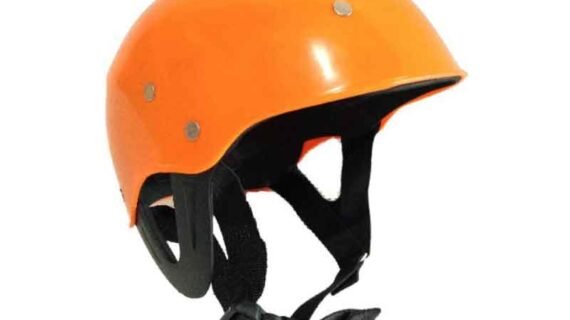
Look for a helmet made from ABS plastic or carbon composite. These materials can handle repeated impacts without cracking. A good shell absorbs force and distributes it instead of letting it focus on one area.
Soft Yet Supportive Inner Padding
A helmet rafting should feel snug but not tight. The inner foam padding keeps your head comfortable and helps the helmet stay in place during bumpy rides. High-quality padding also dries faster and resists odors.
Secure Adjustable Straps
Chin straps must feel secure without rubbing your skin. When you shake your head, the helmet should not move too much. Try adjusting straps until the helmet sits level on your forehead.
Perfect Fit for Your Head Shape
A helmet that is too loose can slip back during a fall. One that is too tight can cause headaches. Ask your guide to help you choose the right size, especially if it’s your first time rafting.
How to Wear a Helmet Properly Before Rafting
Wearing a helmet is simple, but many people still put it on the wrong way. Follow these steps before you get into the raft.
Position the Helmet Correctly
Place it so it sits just above your eyebrows. This protects both the top of your head and your forehead from sudden hits.
Tighten the Straps
The chin strap should stay tight enough that the helmet does not slide, even when you tilt your head back. But it should still be comfortable enough for a long ride.
Do a Quick Shake Test
Shake your head left and right, then up and down. If the helmet wobbles, tighten it again. A stable fit is the key to safety.
Different Types of Rafting Helmets and Which Is Best for You
Rafting helmets come in several types, each designed for different levels of adventure.
Full-Cut Helmets
These helmets cover your ears and offer extra protection. They feel more secure for high-level rapids and technical routes.
Half-Cut Helmets
These are the most common for casual rafting trips. They offer a balance of comfort, ventilation, and safety. Most river operators in Bali use this type.
Multi-Sport Water Helmets
You can use these for kayaking, canyoning, and stand-up paddling. They offer good protection but may not fit as snugly as rafting-specific helmets.
If you want to compare rafting with other water sports, you may enjoy reading the guide on white water rafting vs kayaking.
Why Helmets Matter Even on “Easy” Rivers Like Ayung River
Ayung River in Ubud is famous for being beginner-friendly, scenic, and fun. But even on a river known for gentle rapids, a helmet rafting remains mandatory. The rocks along Ayung are smooth yet can still cause injuries if you slip during boarding or landing.
The river twists through jungle walls, narrow paths, and sections where the raft can spin quickly. Helmets protect you from paddles from your teammates too, which is a very common incident.
If you want to learn more about the river itself or plan your first trip, you can check this full guide on Ayung River rafting.
Practical Tips for Using a Helmet on the River
A helmet is only effective when used correctly. Here are simple tips that make a big difference during your adventure.
Bring a Dry Bandana or Head Scarf
Wearing a thin head layer underneath helps absorb sweat and prevents the helmet from slipping on wet hair.
Avoid Wearing Caps Underneath
Caps can make the helmet unstable. Stick to thin fabrics only.
Check the Helmet After Every Trip
If you own your helmet, rinse it after use and let it dry naturally. Avoid leaving it under direct sunlight too long, as this weakens the shell.
Trust Your Guide’s Advice
Guides at professional rafting operators will check your gear before the ride. If they tell you to readjust your helmet, take it seriously. Their experience keeps you safe.
Additional Gear That Complements Your Helmet
A helmet rafting works best when combined with other safety gear like life jackets, proper footwear, and paddles. If you want to learn what to wear for Bali rafting, including clothing and accessories, check this helpful guide on what to wear for white water rafting in Ubud.
How to Choose the Best Rafting Operator for Safety Gear
A professional rafting company will always maintain high-quality helmets, life jackets, and rafts. Before booking, look for operators who:
- Offer certified safety equipment
- Provide trained and experienced river guides
- Inspect helmets and gear before every trip
- Have clear safety briefings
- Keep group sizes manageable
Operators in Bali, especially in Ubud, usually follow strict safety standards. Still, it never hurts to double-check.
A Helmet Rafting and Your Overall Safety Mindset
A helmet is a simple item, but it reminds you to respect the river and enjoy the ride with awareness. Most accidents happen due to lack of attention or poor preparation. When your gear is ready and comfortable, you can focus on having fun without worry.
Rafting is meant to be exciting, not stressful. And with the right helmet, you protect yourself while giving yourself the freedom to enjoy every splash and drop.
Final Thoughts
A helmet rafting is more than a safety requirement. It’s a crucial part of a responsible and enjoyable river experience. Whether you are rafting in Bali, exploring Ubud’s Ayung River, or heading to bigger rapids abroad, wearing the right helmet can make your adventure smoother and safer.
If you want to book a trusted rafting experience in Ubud with well-maintained helmets and professional guides, visit Wild Current Rafting. Contact via phone, SMS, or WhatsApp at +6281338284028 or click the chat button on the site.
Wild Current Rafting on Maps: