Rafting is more than just floating down a river. It is about reading the water, working as a team, and understanding what lies ahead. If you have ever searched for class 1 to class 5 rapids explained, you are probably wondering what those numbers really mean.
Are they about danger? Skill? Fun level?
The truth is, rapid classification helps you choose the right adventure. Whether you are a first-timer or an adrenaline seeker, knowing the difference between each class makes your trip safer and more enjoyable.
Let’s break it down clearly and simply.
What Are Rapids in Rafting?
Rapids are sections of a river where water flows faster and becomes turbulent. This usually happens because of rocks, drops, narrow passages, or changes in elevation.
White water rafting uses an international grading system from Class I to Class VI. Most commercial rafting trips operate between Class I and Class V.
If you are new to the sport, you might want to start by understanding what is white water rafting and how it works before jumping into rapid levels.
Now, let’s explore each class in detail.
Class 1 Rapids Explained: Easy and Relaxing
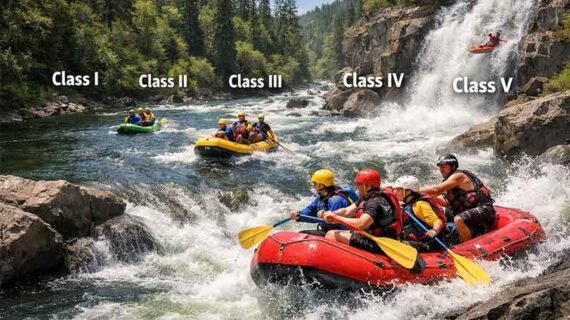
Class I rapids are gentle. The water flows smoothly with small ripples. There are very few obstacles.
This level is perfect for beginners, families, and even children. You do not need prior experience. Basic paddling skills are enough.
If you are looking for a calm river experience in Bali, many sections of the Ayung River offer beginner-friendly conditions. You can check out options for rafting for beginners in Ubud to see what to expect.
Class I is more about enjoying the scenery than conquering the river.
Class 2 Rapids Explained: Mild and Fun
Class II rapids introduce small waves and clear channels. You will need basic maneuvering skills, but nothing too technical.
This level is great if you want a bit of excitement without intense risk. First-timers usually feel comfortable here after a short safety briefing.
Many travelers who ask, “Is rafting scary?” often feel confident once they experience Class II. It offers just enough splash to make it memorable.
Class 3 Rapids Explained: The Real Adventure Begins
Class III is where things get exciting.
You will face moderate waves, narrow passages, and stronger currents. Paddling teamwork becomes important. Your guide will give clear commands, and everyone must respond quickly.
This is the most popular level for commercial rafting. It balances thrill and safety.
If you are curious about the risk factor, reading this guide on is white water rafting dangerous can help you understand safety measures and real-world statistics.
Class III is ideal for adventurous beginners and intermediate rafters.
Class 4 Rapids Explained: Intense and Technical
Class IV rapids are powerful. Expect large waves, strong currents, and precise maneuvering.
This level requires experience. You must be physically fit and comfortable following rapid instructions under pressure.
Guides play a critical role here. Professional rafting companies conduct thorough briefings and use certified safety equipment.
If you are planning a Bali adventure, it is useful to understand the specific river difficulty. For example, the Ayung River rafting difficulty level explains how local river sections compare to international grading.
Class IV is for thrill-seekers who want a serious adrenaline rush.
Class 5 Rapids Explained: Expert Level Only
Class V rapids are extreme.
Expect violent water, large drops, unpredictable obstacles, and powerful hydraulics. Even experienced rafters approach this level with caution.
These rapids require advanced skills and professional-level experience. Commercial trips rarely operate at this level unless participants meet strict requirements.
If you are new to rafting, this is not where you should start.
How to Choose the Right Rapid Level
Choosing the right rafting level depends on three main factors:
- Your experience
- Your physical condition
- Your comfort with risk
Beginners should start with Class I or II. Adventurous first-timers can try Class III with a licensed guide.
Always listen during safety briefings. Wear proper gear. Helmets and life jackets are mandatory for higher classes. If you want to understand essential gear better, explore this helpful white water rafting equipment guide.
The right preparation makes a big difference.
Is Higher Class Always More Dangerous?
Not necessarily.
Higher classes mean stronger water and technical challenges. But danger often depends on preparation, river conditions, and guide expertise.
Professional rafting operators monitor water levels daily. They adjust routes based on weather and seasonal changes.
For example, rafting in Bali during the rainy season can increase water volume, which may slightly raise difficulty levels. That is why choosing an experienced operator matters.
Why Class 2–3 Rapids Are Most Popular in Bali
In Ubud, many rafting tours operate around Class II and III. This makes it perfect for tourists who want excitement without extreme risk.
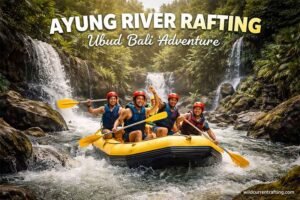
The Ayung River is especially popular because it offers scenic jungle views, waterfalls, and manageable rapids.
If you are planning your trip, explore best white water rafting in Ubud to compare options and find the experience that suits your level.
It is adventure with a view.
Safety Tips Before You Go Rafting
Even if you choose Class I or II, preparation matters.
- Listen carefully to your guide.
- Hold the paddle correctly.
- Wear proper footwear.
- Secure your helmet tightly.
- Do not panic if you fall into the water.
Most rafting incidents happen due to ignoring instructions, not because of the rapid level itself.
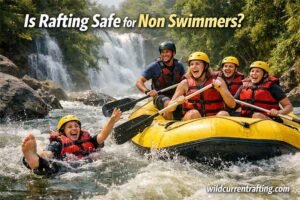
If you are a non-swimmer, you might wonder if rafting is safe. With certified life jackets and professional guides, many beginners enjoy rafting safely. However, always inform your guide about your swimming ability beforehand.
FAQs About Class 1 to Class 5 Rapids
What is the safest class for beginners?
Class I and II are the safest. They are calm, predictable, and beginner-friendly.
Is Class III rafting suitable for first-timers?
Yes, with a professional guide. Many commercial tours are designed specifically for first-time adventurers.
What is the difference between Class IV and Class V?
Class IV is intense but manageable with experience. Class V is expert-level with highly unpredictable water conditions.
Are rapid classes the same worldwide?
Yes. The International Scale of River Difficulty is used globally. However, river conditions may vary depending on weather and water levels.
Final Thoughts: Understanding Rapids Makes Rafting Better
When you understand class 1 to class 5 rapids explained clearly, rafting becomes less intimidating and more exciting.
- You know what to expect.
- You choose the right level.
- You enjoy the adventure safely.
Whether you want a relaxing river cruise or a heart-pounding ride, rapid classification helps you make the best decision.
If you are visiting Ubud, Bali and want a safe yet thrilling rafting experience, visit Wild Current Rafting. We offer professional guided tours on the Ayung River with experienced instructors and top-quality safety equipment.
For bookings and inquiries, contact us via phone/SMS/WhatsApp at +6281338284028 or click the chat button on our website.
Your Bali rafting adventure starts here.