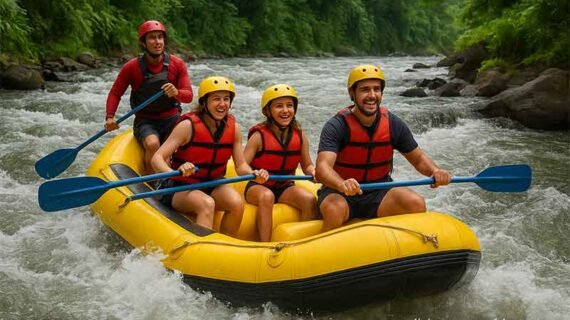
Rafting is one of those adventures that blends excitement, nature, and teamwork all in one. Whether you want a chill day floating with family or a heart-pounding ride through roaring rapids, rafting has something for everyone. But here’s the thing: not all rafting trips are the same. Understanding the different types of rafting will help you pick the right one for your comfort level, travel plans, and thrill factor.
In this guide, we’ll break down rafting categories, give you tips for first-timers, and show you how to enjoy this activity safely. Let’s dive in.
What is Rafting?
Rafting is a recreational outdoor activity that uses an inflatable raft to navigate a river. Depending on the river’s flow, rafting can be a calm float or a wild ride through white-water rapids. This activity is usually done in groups, which makes it a social and teamwork-driven adventure.
Over the years, rafting has evolved into many styles—from easy family trips to extreme sports recognized worldwide. That’s why knowing the different types of rafting is important before booking your next adventure.
The Main Types of Rafting
1. White-Water Rafting
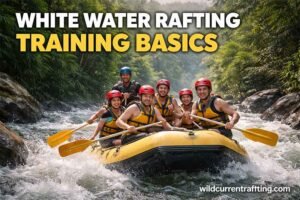
This is the most popular and thrilling form of rafting. White-water rafting takes place on rivers with strong currents and rapids. Rapids are classified into six grades:
- Class I–II: Gentle currents, small waves, perfect for beginners and families.
- Class III–IV: Moderate to intense rapids that require paddling skills and quick teamwork.
- Class V–VI: Extremely challenging rapids, suitable only for experts.
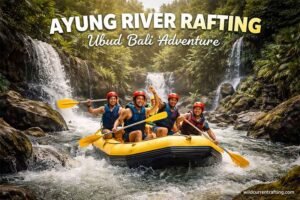
White-water rafting is ideal for adventure seekers who want both adrenaline and a close connection with nature. For example, Bali’s Ayung River offers Class II–III rapids, making it a safe but exciting option for beginners and families.
2. Flat Water Rafting
Not all rivers are wild. Flat water rafting happens on calm rivers or lakes where there are no rapids. This type is all about relaxation, scenery, and bonding with your group. It’s perfect if you want a peaceful float with kids or elderly family members. Think of it as a river safari—lots of sightseeing, little effort, and pure relaxation.
3. Expedition Rafting
Expedition rafting is more than just a day trip. It’s a multi-day adventure, often combining rafting with camping, trekking, and wilderness exploration. These trips can cover hundreds of kilometers of river and pass through remote landscapes.
This type is great for those who love adventure travel and want to combine rafting with cultural and nature experiences. For instance, rafting expeditions on the Colorado River through the Grand Canyon can last over a week.
4. Family Rafting
Family rafting is designed with safety and fun in mind. Rivers with mild rapids and experienced guides make it enjoyable for children and parents alike. The focus here is not just on the rafting but also on creating shared memories.
In Bali, family rafting in Ubud is becoming increasingly popular because it offers just enough adventure without being overwhelming. If you want to learn more, check this guide: Family Rafting in Ubud.
5. Sport Rafting and Races
For those who love competition, rafting also exists as a sport. Teams race against each other on set courses, often including rapids and obstacles. It’s a physically demanding type of rafting, requiring coordination, strength, and speed. International rafting competitions are held worldwide, and it’s an official adventure sport in many countries.
6. Extreme Rafting
Extreme rafting is not for beginners. It usually involves challenging rivers with unpredictable rapids, waterfalls, and tough navigation. This type is for experienced rafters with advanced skills, protective gear, and safety training. It’s the ultimate adrenaline rush but comes with higher risks.
How to Choose the Right Type of Rafting
Choosing the right type depends on your preferences, fitness level, and group size. Here are some quick tips:
- First-timers: Go for flat water or Class I–II rapids.
- Families with kids: Choose family rafting tours on safe rivers with professional guides.
- Adventure seekers: White-water rafting with Class III–IV rapids is perfect.
- Nature lovers: Expedition rafting combines adventure with cultural and natural immersion.
- Adrenaline junkies: Extreme rafting will challenge your limits.
Safety Tips for Rafting
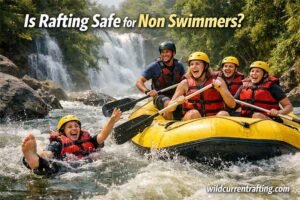
Rafting is safe when done with professional guides, but it’s always best to keep these basics in mind:
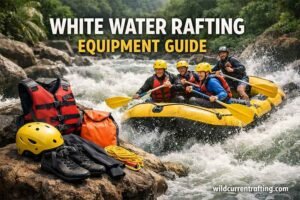
- Always wear a life jacket and helmet.
- Listen carefully to your guide’s instructions.
- Choose licensed operators with good safety records.
- Don’t panic if you fall—float on your back and wait for rescue.
- Wear proper clothing. Check this guide for details: What to Wear for White-Water Rafting in Ubud, Bali.
Why Bali is a Top Rafting Destination
Bali isn’t just about beaches and temples. Rivers like the Ayung and Telaga Waja offer world-class rafting experiences. The Ayung River in Ubud is especially popular because it combines thrilling rapids with lush jungle scenery and cultural sights like carved stone walls along the riverbanks.
If you’re planning a trip, you might wonder: How far is Ayung River Rafting from Ubud?. The good news is, it’s only a short drive away, making it easy to fit into your itinerary.
Also, rafting in Bali is affordable. If you’re curious about prices, check this guide: How Much Does Rafting in Bali Cost?.
Final Thoughts
Rafting is more than just a sport—it’s an adventure that suits different people in different ways. Whether you want a peaceful family float, a multi-day expedition, or a wild ride through raging rapids, there’s a type of rafting for you.
If you’re looking for the best rafting experience in Ubud, Bali, check out Wild Current Rafting Ubud. Our team offers safe, fun, and unforgettable rafting tours on the Ayung River. Contact us at +6281338284028 via call, SMS, or WhatsApp—or simply click the chat button to book your trip today.