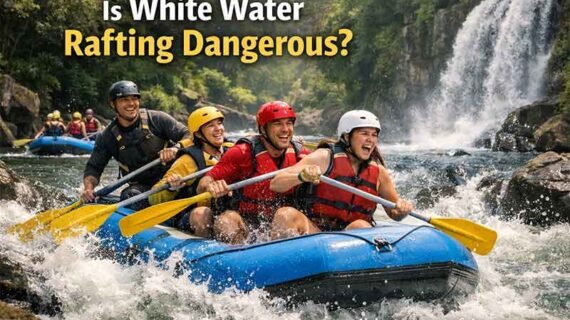
White water rafting often looks wild. Fast currents. Big splashes. People screaming with excitement. It’s normal to ask, is white water rafting dangerous, especially if you’ve never done it before.
The short answer is this. Rafting has risks, but it is not as dangerous as many people think. When done with proper guides, equipment, and rivers suited to your skill level, it is considered a safe adventure activity worldwide.
This guide breaks down the real risks, the myths, and what actually keeps you safe on the river. No fear tactics. Just honest, practical insight.
Why People Think White Water Rafting Is Dangerous
Most fears come from how rafting is shown online. Videos often highlight extreme rapids, flips, and crashes. What you don’t see is that those clips usually come from advanced rivers, not beginner-friendly trips.
Another reason is lack of understanding. Many people don’t know that rivers are graded by difficulty and that most commercial rafting trips are designed for beginners.
If you’re curious about how rafting actually works step by step, this guide explains it clearly in simple terms: how does white water rafting work.
Is White Water Rafting Dangerous Compared to Other Activities?
Statistically, white water rafting is safer than many common activities. Driving a car, riding a motorbike, or even hiking in rough terrain often carries higher accident rates.
Most rafting injuries are minor. Think bruises, small cuts, or muscle soreness. Serious incidents are rare and usually linked to ignoring safety rules or choosing rivers beyond one’s ability.
The key factor is not rafting itself. It’s how, where, and with whom you raft.
Understanding River Difficulty Levels
Not all rivers are the same. This is where many misunderstandings begin.
Rivers are classified from Class I to Class VI.
- Class I and II are calm with small waves. Perfect for beginners and families.
- Class III adds moderate rapids and excitement but remains controlled.
- Class IV and above are for experienced rafters and involve stronger currents.
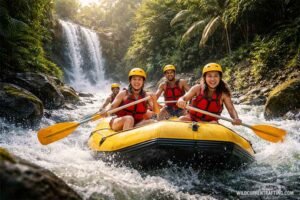
Most tourist rafting trips, including those in Bali, stay within Class II and III. These levels are exciting without being extreme.
If you want a clear example, Ayung River in Ubud is known for being beginner-friendly while still fun. You can read about its challenge level here: Ayung River rafting difficulty level.
What Are the Real Risks of White Water Rafting?
White water rafting does involve natural elements. Water flow, rocks, and weather play a role. But risks are managed, not ignored.
The most common risks include falling into the water, hitting rocks lightly, or feeling panic when waves hit. These sound scary, but safety systems are designed for them.
Guides train you on what to do if you fall out. Life jackets keep you floating. Helmets protect your head. You are never left to figure things out alone.
Is White Water Rafting Safe for Non-Swimmers?
This is one of the most searched questions, and the answer surprises many people.
Yes, white water rafting is generally safe for non-swimmers. Swimming skills are not required on beginner routes.
Life jackets are mandatory and designed to keep your head above water even in strong currents. Guides also know rescue techniques and river behavior.
If this is your main concern, this beginner-focused explanation helps a lot: is rafting safe for non swimmers.
How Professional Guides Reduce Risk
Certified rafting guides are the biggest safety factor. They are trained in river reading, rescue skills, and emergency response.
Before the trip starts, you get a safety briefing. You learn how to sit, paddle, hold on, and respond to commands. This preparation is simple but extremely effective.
Guides also choose routes based on weather and water levels. If conditions are unsafe, trips are delayed or adjusted.
Safety Equipment That Makes Rafting Safer Than You Expect
Modern rafting gear is not random. Every piece has a purpose.
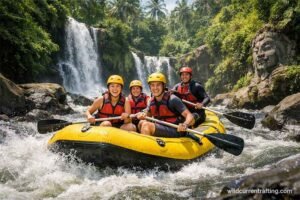
Helmets protect against rocks. Life jackets support flotation and stability. Rafts are built to absorb impact and stay buoyant even in rough water.
If you’re curious about what each piece does and why it matters, this detailed guide explains it clearly: white water rafting equipment guide.
Practical Tips to Stay Safe While Rafting
- Listen to your guide at all times. Commands are short for a reason.
- Wear proper gear and secure it correctly. Loose helmets or straps reduce protection.
- Choose a river that matches your comfort level. Adventure should feel exciting, not terrifying.
- Avoid rafting under the influence of alcohol or drugs. This is a major risk factor.
- Communicate openly. If you feel unsure, say it before starting.
These small habits reduce risk dramatically.
Is White Water Rafting Dangerous for Kids or Families?
On beginner rivers, rafting is often suitable for families. Age limits exist for safety reasons, not marketing.
Family-friendly rafting focuses on calm rapids, scenic views, and teamwork. It’s more about shared experience than adrenaline.
If you’re traveling with kids or first-timers, beginner routes in Ubud are a popular choice. Here’s a helpful overview: bali river rafting for beginners.
Final Verdict: Is White Water Rafting Dangerous?
White water rafting is not dangerous by default. It becomes risky only when safety rules are ignored or when people choose rivers beyond their ability.
For beginners, guided rafting on Class II or III rivers is considered safe, controlled, and incredibly rewarding. The thrill comes from nature, not reckless danger.
When done right, rafting builds confidence, connection, and unforgettable memories.
If you’re planning a rafting experience in Ubud, Bali, Wild Current Rafting offers professional guides, safety-focused trips, and beginner-friendly routes on the beautiful Ayung River.
Visit Wild Current Rafting at the end of your planning journey. For bookings and questions, contact us via phone, SMS, or WhatsApp at +6281338284028, or simply click the chat button on our website.