You’re standing at the edge of a river, helmet on, heart pumping. The water is moving fast. The only question is: did you pick the right boat?
Rafting and kayaking are both incredible river experiences — but they’re not the same thing. Not even close. Choosing the wrong one can mean an underwhelming afternoon. Choosing the right one? That’s a story you’ll tell for years.
This guide gives you the honest, practical breakdown you need before you book anything.
What’s the Core Difference Between Rafting and Kayaking?
Let’s start with the basics, because a lot of people mix these up.
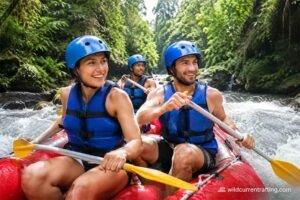
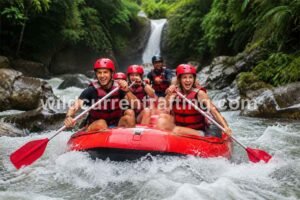
In whitewater rafting, you share a large inflatable raft with a group — usually 4 to 8 people — plus a trained guide who steers and calls out commands. You paddle together as a team. Nobody needs prior experience. The guide handles the hard stuff.
Kayaking is solo or paired. You sit in a narrow boat and use a double-bladed paddle to maneuver entirely on your own. It requires learning technique, reading water currents, and making real-time decisions — often alone.
Same river. Completely different experience.
Rafting vs Kayaking: A Side-by-Side Breakdown
Group Size and Social Experience
Rafting is fundamentally a group activity. You’re packed in a raft, paddling in sync, shouting through rapids together. The energy is shared, the laughs are collective, and if someone panics, the group absorbs it.
Kayaking is solo by default. Even on a guided kayaking tour, you’re largely responsible for your own boat. The experience is quieter, more individual, and more meditative — which is exactly why some people love it.
If you’re traveling with friends or family, rafting almost always wins for shared fun. If you want personal challenge and independence, kayaking has the edge.
Skill Level Required
This is where the gap is biggest. Rafting is accessible to nearly everyone. Most beginner rafting trips require zero prior experience. Your guide does the navigation — you just follow instructions and paddle when told.
Kayaking has a steeper learning curve. Basic strokes, reading water, recovering from a capsize (called an “eskimo roll”) — these take real practice before you’re ready for moving water. White water kayaking specifically is considered an advanced sport.
For first-timers, rafting is the obvious starting point. You get the thrill without the technical barrier.
Safety Profile
Both activities carry risk. But the risk profiles are different.
In rafting, you have a certified guide on board at all times. The raft is large and stable. If you fall out, your life jacket, helmet, and river rescue training from your guide all kick in. Even non-swimmers can safely raft on managed rivers with proper equipment.
Kayaking puts safety more squarely on the individual. A capsize in moving water without proper training is a genuine hazard. Most professional kayaking tours for beginners stay on calmer water for exactly this reason.
For families, mixed-ability groups, or anyone without water sports experience, rafting is the safer choice on technical rivers.
Thrill Factor
This one depends entirely on the rapids. Rapids are classified from Class 1 to Class 5 — Class 1 is gentle moving water, Class 5 is borderline extreme.
On the same Class 3 rapid, rafting delivers a rush of shared adrenaline — waves crashing over the bow, everyone paddling hard, the guide yelling commands. It’s loud, wet, and exhilarating.
In a kayak on the same rapid, the thrill is more intimate and technical. You’re reading every wave line, bracing with your paddle, making micro-decisions at speed. More demanding, but deeply rewarding once you have the skills.
Neither is more thrilling in absolute terms. It depends on what kind of thrill you’re after.
Cost Comparison
Rafting tours are generally more affordable per person because costs are shared across the group. A guided rafting experience at a well-run operator typically includes equipment, safety briefing, a professional guide, and often transport.
Kayaking equipment (kayak, paddle, skirt, dry bags) is expensive to own, and private kayaking instruction adds up quickly. Guided beginner kayak tours exist and are reasonably priced, but advanced kayaking is a costly long-term investment.
If budget is a consideration and you want maximum experience per dollar, affordable rafting packages typically offer better value for casual adventurers.
Which One Is Better for Families?
Rafting, without question. The minimum age for most rafting tours is around 7–10 years old depending on the operator and river. Everyone rides together, the guide manages safety, and the experience scales naturally from gentle family floats to more exciting runs.
Kayaking with kids usually means separate kayaks, which means separate attention — a challenge for parents. Family kayaking works well on calm lakes or slow rivers, but not on white water.
If you’re planning a family adventure in a destination like Ubud, Bali, guided rafting on a river like the Ayung is designed exactly for this.
Which Is Better for Couples and Honeymoons?
Both have their appeal, but for different reasons.
Rafting together creates shared adrenaline — and research consistently shows that shared novel experiences build emotional connection. Facing rapids as a team, laughing through the chaos, emerging soaked and buzzing — that’s memorable.
Kayaking can be romantic in a quieter way: a tandem kayak on calm water, surrounded by jungle scenery, moving at your own pace.
If you want excitement and a story to tell, rafting wins. For honeymooners visiting Bali, the Ayung River rafting experience pairs adventure with stunning tropical scenery in a way that’s hard to beat.
The Verdict: Rafting vs Kayaking
Choose rafting if you want to share the experience with a group, have no prior water sports background, want a professional guide handling safety, or are looking for high-energy thrills at an accessible price.
Choose kayaking if you’re willing to invest time learning technique, prefer solo challenge over group adventure, or want a longer-term water sport hobby to develop.
For most first-time visitors to Bali — especially those wanting excitement, stunning river scenery, and a stress-free experience — guided white water rafting is the clear winner. It’s inclusive, thrilling, professionally managed, and unforgettable.
Experience the Ayung River with Wild Current Rafting
If Bali is on your itinerary, Wild Current Rafting in Ubud offers a world-class rafting experience on the iconic Ayung River. The river winds through lush jungle gorges, past ancient stone carvings, and through rapids that hit just the right balance of exciting and accessible for all skill levels.
Their team of certified guides, top-grade equipment, and warm Balinese hospitality make it one of the top-rated rafting operators in Ubud — whether you’re a solo traveler, a couple, or a family with kids.
Ready to stop comparing and start paddling?
📞 Call, SMS, or WhatsApp: +62 813-3828-4028 💬 Or click the chat button on their website to book instantly.