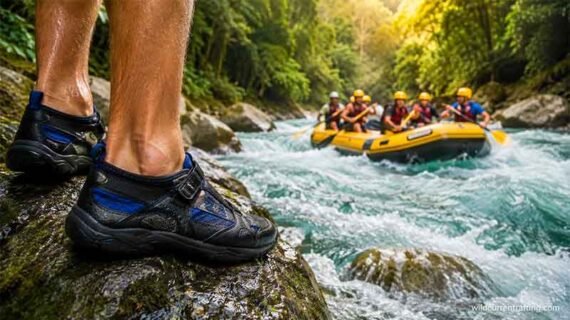
You’ve booked the trip, packed a swimsuit, and picked a hat that won’t blow off in the wind. Then it hits you: what shoes to wear white water rafting? It’s a small question, but it can quietly make or break your day on the river.
Good rafting footwear isn’t about looking sporty. It’s about grip on wet rocks, protection from things you can’t see underwater, and keeping your feet warm enough to actually enjoy the ride instead of counting down the minutes.
Why Footwear Matters More Than People Expect
Riverbeds are unpredictable. One step might be smooth sand, and the next could be a jagged rock, a submerged branch, or a slippery patch of algae. Add in the chance of climbing out to scout a rapid or push the raft off a shallow stretch, and your shoes suddenly matter a lot more than you’d think.
Cold water is the other piece people underestimate. Even in a warm climate, river water pulls heat from your body fast, and cold feet get miserable within minutes. The right shoes trap a thin layer of water that warms against your skin, which sounds odd but genuinely works.
What Shoes to Wear White Water Rafting: The Short Answer
If you want the quick version, wear closed-toe water shoes or an old pair of sneakers you don’t mind soaking. Anything that straps or laces on securely, so it won’t float off the second you hit a rapid, is the right idea.
Shoes are just one part of dressing for the river, though. For the full picture, from what to wear for white water rafting in Ubud, Bali down to the small stuff people forget, it’s worth a quick read before you pack your bag.
Water Shoes Are the Easiest Choice
Purpose-built water shoes are popular for good reason. They’re light, they drain fast, and most have rubber soles designed to grip wet surfaces rather than slide across them. Most river guides, ours included at Wild Current Rafting, will tell newcomers this is the safest option if they happen to own a pair.
They also dry quickly, which is handy if rafting is just one part of your day. Nobody wants to spend the afternoon squelching around in soaked sneakers.
Old Sneakers Work Just Fine
Not everyone owns dedicated water shoes, and that’s completely fine. An old pair of trainers, ones you don’t mind scuffing up or getting muddy, will do the job well. Just lace them tight enough that the current has nothing to grab onto.
Skip anything new or expensive here. River mud and rock scrapes are not gentle on canvas or mesh.
Rafting Sandals With Ankle Straps
Some sandals are built specifically for river use, with thick soles and a secure strap around the heel. These sit somewhere between water shoes and sneakers, offering more breathability while still staying put.
The word to look for is “strap.” Anything that can slide off your foot easily becomes a problem the moment you hit fast-moving water.
Shoes You Should Never Wear Rafting
Flip-Flops and Slides
This is one of the most common mistakes first-time rafters make, and thankfully one of the easiest to avoid. Flip-flops slip off within seconds of hitting current and offer no protection against rocks underfoot. If this is your first trip, it’s worth a quick read on other common mistakes first-time rafters make before you finish packing.
Going Barefoot
Rafting barefoot might sound adventurous, but riverbeds hide sharp rocks, broken branches, and debris you simply can’t see through moving water. A cut foot on the first day of a trip is not the souvenir anyone signs up for.
Heavy Hiking Boots
Boots feel like a logical, sturdy choice, but they’re actually a poor match for rafting. They soak up water, become heavy fast, and take ages to dry out afterward. If you end up in the water, waterlogged boots can also drag against you rather than help.
What About Socks?
A thin pair of synthetic or wool socks under water shoes can prevent blisters from wet fabric rubbing against skin all day. Cotton is worth avoiding, since it holds water and loses any warmth once soaked through.
On a cooler river, thin neoprene socks add a noticeable layer of warmth without adding bulk to your shoes.
Packing Beyond Just Footwear
Shoes are only one part of getting ready. Knowing what to bring on a rafting adventure means thinking about layers, sun protection, and a dry bag for anything you’d rather keep, well, dry. Pack shoes you’re fine getting wet, bring a change of clothes for afterward, and leave anything irreplaceable back at the hotel.
If this is your first time on white water, it also helps to read through what to expect on your first rafting adventure, so the safety briefing, the paddling commands, and the feel of your first rapid don’t catch you off guard.
First-Timer Footwear Mistakes Worth Skipping
New rafters tend to repeat the same small errors: wearing sandals with no strap, choosing shoes too tight to slip off quickly if needed, or assuming barefoot is fine because the water “looks calm” from the bank. None of these ruin a trip outright, but they do make the day noticeably less comfortable than it should be.
A quick look through rafting tips for first-timers in Bali can save you from a few of these regrets before you even land.
Ready to Hit the Rapids?
Getting your shoes right is a small detail, but it makes a real difference once you’re actually on the river. Grip, warmth, and security beat style every single time out here.
If you’re planning a trip to Bali, Wild Current Rafting runs guided white water rafting adventures down the Ayung River in Ubud, suited for first-timers and experienced paddlers alike. Reach out by phone, SMS, or WhatsApp at +6281338284028, or tap the chat button on the site to book your spot.