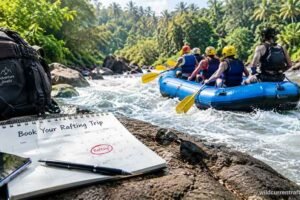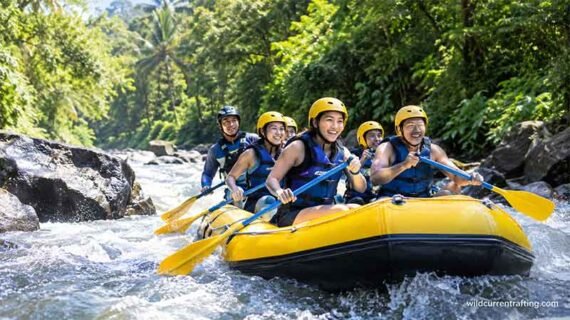
Yes, you can often go rafting in Ubud if you cannot swim, provided you meet the tour operator’s safety requirements and feel comfortable participating. Swimming ability is not always required for guided white water rafting, but non-swimmers must tell their guide before entering the river.
On Bali’s Ayung River, you can enjoy an exciting journey through tropical jungle, flowing rapids, and beautiful river scenery without being an experienced swimmer. However, wearing a life jacket does not eliminate every risk, and rafting is not suitable for everyone.
Here is what non-swimmers should know before booking a rafting adventure in Ubud.
Can You Go Rafting in Ubud If You Cannot Swim?
Yes, many beginners and non-swimmers can participate in guided rafting trips. The important factors are your comfort in the water, your ability to follow instructions, and the safety standards of the rafting operator.
You do not need to swim across the river or propel the raft independently. A professional guide steers the boat, explains the route, and gives paddling instructions throughout the trip.
However, you should never assume that every rafting tour accepts non-swimmers. Always disclose your swimming ability when booking and confirm that the operator can accommodate you safely.
For more details, read our guide to whether non-swimmers can go white water rafting.
How Does Rafting Equipment Help Non-Swimmers?
Properly fitted safety equipment is essential, especially if you cannot swim.
Life Jackets Provide Buoyancy
Every participant should wear an approved, properly fitted life jacket throughout the rafting trip. It helps keep you afloat if you fall into the water, but it does not make you completely safe from drowning.
Follow the guide’s instructions on how to wear and secure your life jacket. Never loosen or remove it while rafting.
Helmets Protect Your Head
A helmet helps protect your head from impacts with rocks, paddles, and other objects. Your guide should check that it fits securely before the trip begins.
Experienced Guides Help Manage the Journey
A rafting guide explains how to paddle, when to stop, and how to respond to changing river conditions. The guide also manages the raft and provides instructions if someone falls overboard.
Learn more about what a rafting guide does during a river trip.
Remember that safety equipment and professional guidance reduce risks but cannot remove them entirely.
Is Ayung River Rafting Safe for People Who Cannot Swim?
Ayung River rafting can be suitable for some non-swimmers, but safety depends on the river conditions, the route, the participant, and the operator.
The Ayung River is a popular rafting destination in Bali. Many tours cater to beginners, although river currents, slippery rocks, and changing water levels still require caution.
Before booking, consider these factors:
- River conditions: Water levels and current strength can change with rainfall and weather.
- Rafting difficulty: Choose a route that matches your experience and comfort level.
- Safety procedures: Ask about life jackets, helmets, guide qualifications, and emergency procedures.
- Personal health: You should be able to follow instructions and participate in the required physical activities.
- Swimming ability: Tell the operator clearly that you cannot swim.
You can also read our detailed explanation of whether white water rafting in Ubud is safe.
If you are uncomfortable with deep water, have a medical condition that affects your ability to participate, or experience severe water-related anxiety, discuss your concerns with the operator before making a reservation.
What Should Non-Swimmers Expect During Ubud Rafting?
Knowing what happens during the trip can make the experience less intimidating.
1. Safety Briefing Before Entering the River
Your guide will explain basic safety rules, paddling techniques, and what to do if you fall out of the raft. Pay attention and ask questions whenever something is unclear.
It is also helpful to understand basic rafting paddle commands before your adventure.
2. Getting Into the Raft
After receiving your equipment and instructions, you will enter the raft with the other participants. Your guide will explain where to sit and how to hold your paddle.
Tell the guide again that you cannot swim so they understand your concerns before the trip starts.
3. Paddling Through Rapids
During the journey, the guide will direct the group through flowing water and small or larger rapids, depending on the route and conditions.
You will need to follow instructions, maintain your balance, and paddle when asked. If you are worried about strong currents, read our guide to Ayung River rafting for people afraid of fast water.
4. What Happens If You Fall Out?
Falling out of a raft is possible, even on a guided trip. Your life jacket provides buoyancy, but you must follow the guide’s instructions immediately and avoid attempting to stand in moving water unless instructed by a trained professional.
Before starting, ask the operator to explain its swimmer-rescue procedures and how guides assist participants who enter the water unexpectedly.
Our article on what happens if you fall out of a raft explains this situation in more detail.
7 Practical Tips for Non-Swimmers Going Rafting in Ubud
If you decide to try rafting, these simple steps can help you prepare.
- Tell the operator before booking. Be honest about your swimming ability and any fears you have about water.
- Choose a beginner-friendly trip. Ask about the route’s difficulty and whether the conditions are suitable for first-time rafters.
- Check your safety equipment. Your life jacket must fit properly and remain secured throughout the trip.
- Listen carefully to your guide. Follow every safety instruction, especially during rapids and unexpected situations.
- Stay calm and communicate. Tell your guide immediately if you feel uncomfortable or need help.
- Wear suitable clothing and footwear. Choose comfortable clothes and secure footwear suitable for wet, slippery conditions. See our guide to what shoes to wear for white water rafting.
- Do not take unnecessary risks. Never jump into the river or leave the raft without permission from your guide.
For additional preparation advice, check our rafting tips for first-timers.
Should You Avoid Rafting If You Cannot Swim?
Not necessarily. Many non-swimmers enjoy guided rafting, but participation should depend on an honest assessment of their comfort, physical ability, and the conditions on the day.
You should reconsider the activity if you panic around moving water, cannot follow safety instructions, or feel unable to cope with the possibility of falling into the river.
Some operators may also impose restrictions based on age, health, weather, or river conditions. Follow their guidance rather than assuming that a life jacket makes rafting appropriate for everyone.
If you remain uncertain, contact the operator before paying for your trip. Ask specific questions about non-swimmer policies, rescue procedures, and the difficulty of the planned route.
Book Your Ubud Rafting Adventure with Wild Current Rafting
Want to experience the Ayung River while exploring Bali’s beautiful natural scenery? Wild Current Rafting offers rafting tours in Ubud, Bali, for visitors looking for an exciting outdoor adventure.
If you cannot swim, contact the team before booking to discuss your concerns, eligibility, and the safety arrangements available for your trip.
Contact Wild Current Rafting:
- Phone/SMS/WhatsApp: +62 813-3828-4028
- Website: Wild Current Rafting
Click the chat button on the website to ask about tour availability and whether the rafting experience is suitable for non-swimmers.
With the right preparation, clear communication, and appropriate river conditions, you can make a more informed decision about enjoying a rafting adventure in Ubud.