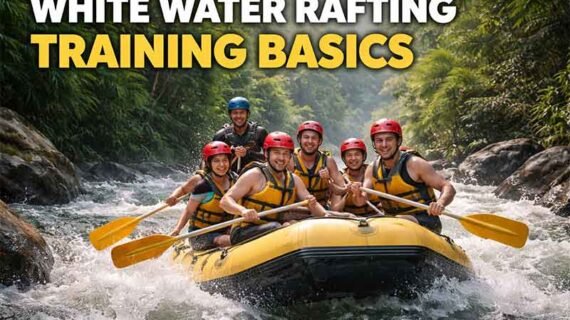
White water rafting is exciting, social, and a little intimidating at first. Fast currents, rocky rivers, and splashing waves can feel overwhelming if you are new. That is why understanding white water rafting training basics matters more than people think.
This guide is written for real beginners. Not athletes. Not extreme thrill seekers. Just normal people who want to enjoy rafting safely and confidently. You will learn how rafting works, what skills actually matter, and how proper training makes the experience smoother and more fun.
What Is White Water Rafting and Why Training Matters
White water rafting is a guided river adventure using an inflatable raft to navigate rapids. Rapids are classified by difficulty, from calm Class I to intense Class V. Most beginners start on Class II or III rivers.
Training is not about making you fearless. It is about helping you react correctly when water moves fast. Even simple skills can reduce panic and improve control.
If you want a clear explanation of how rafting works from start to finish, this guide on how white water rafting works breaks it down in a very beginner-friendly way.
White Water Rafting Training Basics You Should Know
Understanding River Signals and Commands
Every rafting trip relies on communication. Guides use clear paddle commands like forward paddle, stop, back paddle, and high side.
Training helps you respond fast without overthinking. You do not need strength. Timing matters more.
Proper Paddling Technique
Many beginners paddle too hard or with the wrong posture. This causes quick fatigue.
Basic training teaches you how to sit correctly, grip the paddle, and use your core instead of just your arms. Small adjustments make a big difference over long distances.
Balance and Body Position
Your body position keeps the raft stable. Leaning the wrong way during a rapid can flip the raft.
Training teaches when to lean in, when to stay low, and how to move together as a team. This is one of the most important white water rafting training basics.
Safety Skills Every Beginner Must Learn
What to Do If You Fall Out
Falling out sounds scary, but it is manageable with training. You learn the defensive swimming position, feet up and head back.
This skill prevents injuries and helps guides pull you back quickly.
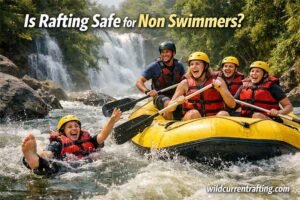
If you are worried about swimming ability, this article on rafting safety for non-swimmers explains why rafting is still beginner-friendly.
How to Hold the Paddle Safely
A loose grip can hit your face. A grip that is too tight causes wrist strain.
Training focuses on safe hand placement and how to protect yourself during sudden waves.
Listening to Your Guide
Guides are trained professionals who read the river constantly. White water rafting training basics emphasize trust and attention.
Ignoring commands is one of the biggest beginner mistakes.
Equipment Basics You Should Understand
You do not need to buy gear, but you should understand how it works.
Helmets protect against rocks in shallow rapids. Life jackets keep your head above water even if you panic. Rafts are designed to bounce, not sink.
For a deeper look at gear and why each piece matters, read this white water rafting equipment guide.
Knowing your equipment reduces fear. Fear often comes from the unknown.
Physical Preparation for Rafting
You do not need gym-level fitness. But light preparation helps.
Basic rafting training suggests stretching shoulders, arms, and lower back. Hydration matters more than strength.
If you can walk, sit, and paddle lightly, you are physically ready.
Mental Preparation Is Just as Important
Most rafting challenges are mental. Cold water. Loud splashes. Fast movement.
Training prepares your mind to stay calm. Guides often explain what the rapid will feel like before entering it. This removes surprises.
Confidence grows fast once you complete your first rapid successfully.
Common Beginner Mistakes and How Training Prevents Them
Many beginners freeze when water splashes their face. Training encourages controlled breathing.
Others paddle out of sync. Practice builds rhythm.
Some people try to stand up in the river. Training clearly explains why floating is safer.
These small lessons prevent accidents and make the trip enjoyable.
Choosing the Right River for Beginners
Not all rivers are equal. Some are scenic and calm. Others are technical and fast.
Beginners should choose rivers with moderate rapids and professional guides.
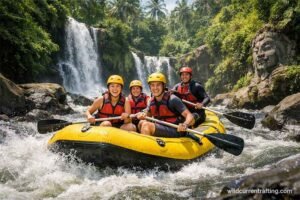
The Ayung River in Bali is a popular example. It offers stable Class II and III rapids, beautiful scenery, and consistent safety standards. You can learn more about the setting in this guide to Ayung River rafting.
How Training Improves the Overall Experience
People often think training removes fun. It actually does the opposite.
When you know what to expect, you relax. When you relax, you enjoy the scenery, teamwork, and laughter.
Training turns fear into excitement.
Is White Water Rafting Training Enough for First Timers
Yes. Professional operators provide short but effective training before the trip starts.
This includes safety briefing, paddle practice, and river rules. You are not expected to remember everything perfectly.
The goal is awareness, not perfection.
For those planning their first trip, this beginner-focused guide on rafting for beginners in Ubud is very helpful.
Final Tips Before Your First Rafting Trip
Wear quick-dry clothes and secure footwear. Listen more than you talk during safety briefings. Ask questions if unsure.
Most importantly, trust the process. Millions of beginners raft every year safely.
Once you understand white water rafting training basics, the river feels less like a threat and more like an adventure partner.
Ready to Experience Rafting the Right Way
If you want to put these basics into action, Wild Current Rafting offers guided rafting adventures in Ubud, Bali with professional instructors and beginner-friendly rivers.
Wild Current Rafting
White water rafting tours in Ubud, Bali
Phone SMS WhatsApp: +6281338284028
Or simply click the chat button on our website and start your adventure today