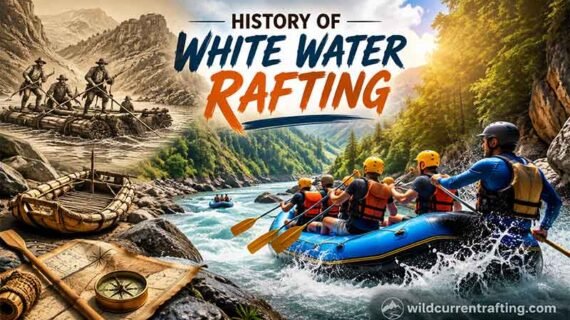
White water rafting is one of the most exciting outdoor activities in the world. Every year, millions of people paddle through rushing rivers, navigate rapids, and experience the thrill of nature from a unique perspective. While modern rafting is often associated with tourism and adventure travel, its roots go back thousands of years.
Understanding the history of white water rafting helps us appreciate how this activity evolved from a practical means of transportation into a globally recognized recreational sport. From ancient civilizations crossing rivers on simple rafts to professional rafting expeditions, the journey is fascinating.
The Early Origins of River Rafting
The story of rafting began long before it became an adventure sport.
Ancient civilizations relied heavily on rivers for transportation, trade, fishing, and exploration. People built simple rafts using logs, reeds, bamboo, and animal skins to cross waterways safely.
Historical records show that civilizations in Egypt, China, and Mesopotamia used primitive rafts thousands of years ago. These early vessels were not designed for recreation. Their primary purpose was moving people and goods across rivers.
Although these ancient rafts were basic, they laid the foundation for what would eventually become modern river rafting.
How Exploration Shaped the History of White Water Rafting
During the Age of Exploration, rivers became important routes for discovering new territories.
One of the most significant moments in the history of white water rafting occurred in 1869 when John Wesley Powell led an expedition down the Colorado River through the Grand Canyon.
Powell and his team navigated dangerous rapids using wooden boats. Their journey demonstrated that river travel through challenging white water was possible, although extremely risky.
This expedition is often considered a major milestone because it inspired future river exploration and eventually recreational rafting.
The Development of Modern Raft Design
Early rafts were often made from wood and natural materials. While effective for transportation, they lacked durability and maneuverability in rough water.
The biggest breakthrough came during World War II. Military engineers developed inflatable rubber rafts for rescue missions and troop transport.
These inflatable rafts offered several advantages:
Greater Stability
Rubber rafts could absorb impacts from rocks and rapids better than wooden boats.
Improved Safety
Inflatable chambers helped keep rafts afloat even if part of the vessel was damaged.
Easier Transportation
Unlike heavy wooden boats, inflatable rafts could be folded and transported efficiently.
These innovations became the foundation of modern white water rafting equipment.
For a deeper understanding of gear evolution, check out White Water Rafting Equipment Guide.
When White Water Rafting Became a Recreational Sport
The 1950s and 1960s marked a turning point in rafting history.
As outdoor recreation gained popularity, adventure seekers began exploring rivers for enjoyment rather than necessity. Commercial rafting companies started offering guided river trips in North America.
The Colorado River, Snake River, and Salmon River became popular destinations for recreational rafting enthusiasts.
By the 1970s, white water rafting had transformed into a recognized outdoor sport. Safety standards improved, professional guides emerged, and rafting tourism expanded rapidly.
Today, rafting attracts everyone from families and beginners to experienced thrill seekers.
The Growth of White Water Rafting Around the World
Modern rafting is no longer limited to North America.
Countries across Europe, South America, Asia, Africa, and Oceania have developed thriving rafting industries.
Some of the world’s most famous rafting destinations include:
- Colorado River, United States
- Futaleufú River, Chile
- Zambezi River, Zambia and Zimbabwe
- Sun Kosi River, Nepal
- Ayung River, Bali
If you’re interested in global rafting adventures, explore Best Rafting Destinations in the World.
Each destination offers unique landscapes, river conditions, and levels of difficulty.
How White Water Rapids Are Classified
As rafting grew in popularity, a universal system was needed to measure river difficulty.
The International Scale of River Difficulty classifies rapids from Class I to Class VI.
Class I
Easy-moving water with minimal obstacles.
Class II
Moderate rapids suitable for beginners.
Class III
Exciting waves and maneuvering challenges.
Class IV
Powerful rapids requiring advanced skills.
Class V
Extremely difficult and demanding conditions.
Understanding these classifications helps participants choose trips that match their experience level.
Learn more in Class 1 to Class 5 Rapids Explained.
White Water Rafting Today
Modern white water rafting combines adventure, safety, environmental awareness, and tourism.
Professional rafting operators provide:
- Certified guides
- Safety briefings
- Modern protective equipment
- Rescue procedures
- Environmentally responsible practices
Rafting is now enjoyed by people of all ages and skill levels.
Many first-time rafters are surprised to learn that beginner-friendly rivers exist across the world. In fact, many guided trips are specifically designed for newcomers.
If you’re new to the sport, reading Bali Rafting Tips for First Timers can help you prepare for your first adventure.
Why the History of White Water Rafting Still Matters
Learning about the history of white water rafting reveals how human innovation, exploration, and adventure have shaped this exciting activity.
What started as a simple method of crossing rivers eventually became one of the world’s most popular outdoor experiences.
The evolution of raft technology, safety standards, and guided tours has made rafting accessible to millions of people while preserving the thrill that has attracted explorers for generations.
Whether you’re interested in river history, outdoor sports, or planning your first rafting trip, understanding where rafting came from adds a deeper appreciation to every paddle stroke.
Experience White Water Rafting in Bali with Wild Current Rafting
Looking for an unforgettable rafting adventure in Bali?
Wild Current Rafting offers exciting and professionally guided rafting tours on the beautiful Ayung River in Ubud. Whether you’re a beginner or an experienced adventurer, our team is ready to provide a safe, fun, and memorable experience surrounded by Bali’s stunning tropical scenery.
Visit Wild Current Rafting to book your rafting adventure today.
Contact:
Phone / SMS / WhatsApp: +6281338284028
Or simply click the chat button on our website to speak directly with our team.