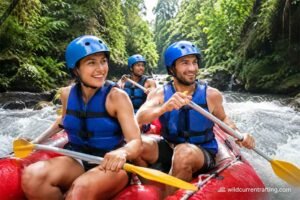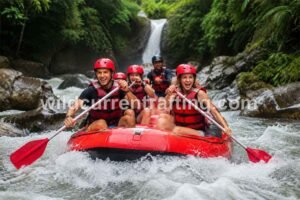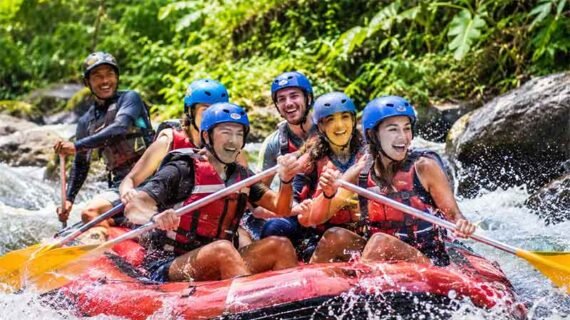
Can you go white water rafting without knowing how to swim? Yes, in many cases, you can! Swimming skills are not always required to enjoy a guided white water rafting trip. However, that doesn’t mean you can ignore water safety or jump into any river without preparation.
Modern rafting tours provide essential safety equipment, including life jackets and helmets. Professional guides also explain how to paddle, follow commands, and react if someone falls out of the raft.
Still, there are a few things non-swimmers should understand before booking their first adventure. If you’re planning to try rafting in Ubud, Bali, here’s what to expect and how to stay safe throughout the experience.
Can You Go White Water Rafting Without Knowing How to Swim?
Yes, non-swimmers can participate in many guided white water rafting tours, provided they meet the operator’s safety requirements and feel comfortable following instructions.
You don’t need to swim across the river or perform complicated swimming techniques during a normal rafting trip. Your main job is to stay inside the raft, listen to your guide, hold your paddle correctly, and follow the team’s commands.
A properly fitted life jacket provides buoyancy if you accidentally fall into the water. This is especially important for people who cannot swim because it helps keep them afloat while they wait for assistance.
However, wearing a life jacket doesn’t make rafting completely risk-free. Rapids, rocks, currents, and unexpected situations can still create challenges.
That’s why choosing a reputable rafting operator is more important than simply finding the cheapest available package.
If you’re looking for more information, read our guide on whether you can go rafting in Ubud if you cannot swim.
How Does a Life Jacket Keep Non-Swimmers Safe?
A life jacket is one of the most important pieces of safety equipment in white water rafting.
Unlike regular clothing or a basic flotation accessory, an approved rafting life jacket is designed to provide buoyancy and help keep your body afloat in the water.
Here’s how it helps:
1. It Provides Buoyancy
When you fall into the river, your life jacket helps support your body and reduces the effort needed to stay above the water.
This is particularly helpful for non-swimmers who might otherwise struggle to keep themselves afloat.
2. It Helps Keep Your Upper Body Above Water
A properly fitted life jacket is designed to support your body in the water. This can make it easier to breathe while waiting for your guide or another rescuer to assist you.
However, don’t assume every life jacket will automatically turn you face-up. Performance depends on its design, fit, and the conditions.
3. It Reduces Panic
Knowing that you’re wearing appropriate flotation equipment can help you feel more confident.
That confidence matters because panic can make an unexpected situation much harder to manage.
Important: A life jacket is not a substitute for swimming ability, professional supervision, or proper safety training. Always wear it correctly and never loosen or remove it during the trip.
What Happens If You Fall Out of the Raft?
This is probably the biggest concern for anyone considering white water rafting without knowing how to swim.
Falling out of a raft can happen, even during a professionally guided trip. The important thing is knowing how to respond.
If you unexpectedly enter the water, try to stay calm and follow your guide’s safety instructions.
Follow the Defensive Swimming Position
Your guide may teach you a defensive swimming position before the trip.
This generally involves:
- Keeping your feet pointed downstream.
- Raising your legs toward the water’s surface.
- Keeping your head above water.
- Using your arms to help maintain balance.
- Avoiding attempts to stand in strong currents.
Keeping your feet downstream helps you see obstacles and reduces the risk of trapping your feet between underwater rocks.
Don’t try to stand up in fast-moving water unless your guide specifically tells you it’s safe. Your foot could become trapped against a rock, creating a dangerous situation.
Listen for Rescue Instructions
Your rafting guide will coordinate the response if someone falls out.
Depending on the situation, they may direct you toward the raft, throw a rescue rope, or arrange assistance from another team member.
Never assume that your life jacket means you can simply float wherever the current takes you.
For a more detailed explanation, check out our guide on what happens if you fall out of a raft.
Is White Water Rafting in Ubud Safe for Non-Swimmers?
Ubud is one of Bali’s popular destinations for river rafting, especially along the Ayung River.
The river offers a combination of flowing water, rapids, tropical scenery, and beautiful jungle surroundings. It’s also a popular choice for first-time rafters.
Many guided tours welcome beginners who have little or no rafting experience. However, non-swimmers should always inform the operator before booking.
Why Is the Ayung River Popular With Beginners?
The Ayung River offers a scenic rafting experience without requiring participants to have previous rafting experience.
You’ll paddle through tropical landscapes, pass natural river features, and experience sections of moving water along the route.
Professional guides help participants understand what to do throughout the journey.
The experience is generally suitable for people looking for an introduction to river rafting, subject to the operator’s requirements and current river conditions.
You can learn more about what the Ayung River is like for rafting before deciding whether it’s the right adventure for you.
Does the River Become More Dangerous During the Rainy Season?
Rain can change river conditions.
After heavy rainfall, water levels and current speeds may increase. Some sections can become more challenging, and operators may adjust departure schedules or suspend trips when conditions aren’t suitable.
This doesn’t mean rafting is automatically unsafe during the rainy season. It simply means operators need to assess the river before allowing trips to proceed.
Read our article about what happens if it rains during your Ubud rafting tour to understand how weather can affect your experience.
What Should Non-Swimmers Know Before Booking a Rafting Tour?
If you cannot swim, a little preparation can make your first rafting experience much more comfortable.
Here are some practical things to consider.
1. Tell the Operator That You Cannot Swim
Don’t hide this information when making your reservation.
Let the rafting company know that you’re a non-swimmer. This allows the team to explain its safety procedures and determine whether the trip is appropriate for you.
Ask whether non-swimmers are accepted and whether additional safety instructions are provided.
2. Make Sure Your Life Jacket Fits Properly
A life jacket that’s too loose may move around or fail to provide the intended support.
Before entering the river, check that all straps are secured. It should feel snug without restricting your breathing or movement.
Ask your guide to check the fit if you’re unsure.
3. Pay Attention During the Safety Briefing
Never treat the safety briefing as something you can skip.
Your guide should explain important paddle commands, seating positions, and what to do if someone falls into the water.
Understanding these instructions is especially important if you have no swimming experience.
You can also learn some basic rafting paddle commands before arriving.
4. Choose an Experienced Rafting Operator
Look for a company that provides proper safety equipment, trained guides, and clear emergency procedures.
Don’t choose a rafting tour based on price alone.
A slightly cheaper package isn’t worth the risk if the operator cannot explain its safety standards.
5. Avoid Rafting When You Feel Unwell
Rafting requires physical participation, concentration, and the ability to follow instructions.
If you’re feeling dizzy, extremely tired, or unwell, consider postponing your trip.
Also, let the operator know about any physical limitations that could affect your ability to participate safely.
For more preparation tips, read our guide on how to prepare for rafting in Ubud.
What Equipment Do You Need for White Water Rafting?
You don’t need to bring your own professional rafting equipment when booking a standard guided tour.
Most reputable operators provide essential equipment for participants.
| Equipment | Purpose |
|---|---|
| Life jacket | Provides flotation and buoyancy |
| Helmet | Protects your head from impacts |
| Paddle | Helps control and move the raft |
| Raft | Carries participants through the river |
| Safety rope | Supports rescue operations when needed |
Some operators also provide appropriate footwear or other protective equipment.
For a closer look at the equipment used during rafting, check our white water rafting equipment guide.
Remember that equipment must be properly fitted and used according to your guide’s instructions.
Should You Try White Water Rafting If You’re Afraid of Water?
Not knowing how to swim and being afraid of water are two different things.
Some non-swimmers feel perfectly comfortable wearing a life jacket and participating in guided water activities. Others experience anxiety even when they’re close to the river.
If you’re nervous, don’t force yourself into an experience you’re not comfortable with.
Start by watching other people rafting or discussing your concerns with the operator. Ask about the river conditions, safety equipment, and what happens if you fall into the water.
You might also want to read whether rafting in Ubud is scary before making your decision.
The goal is to enjoy the adventure, not spend the entire trip feeling uncomfortable.
Is White Water Rafting Without Knowing How to Swim a Good Idea?
It can be a great experience for non-swimmers who meet the operator’s requirements, understand the risks, and feel comfortable following safety instructions.
You don’t need to be an expert swimmer to enjoy every outdoor adventure. However, you should never underestimate moving water.
A guided rafting trip still involves unpredictable conditions. Life jackets and professional guides reduce certain risks, but they cannot eliminate every possible danger.
If you’re unsure, speak directly with the rafting operator before booking. A responsible company should be happy to answer your questions rather than pressure you into joining.
Experience Ayung River Rafting with Wild Current Rafting
Planning to experience white water rafting in Bali? Wild Current Rafting offers guided rafting adventures on the beautiful Ayung River in Ubud.
It’s a fun way to explore Bali’s natural scenery while enjoying an exciting outdoor activity with friends, family, or fellow travelers.
Our rafting package is priced at IDR 500,000 per person, with a group option of IDR 2,250,000 for five people.
The package includes:
- Professional rafting guide.
- Safety briefing and basic rafting instructions.
- Rafting equipment.
- Dry bag for small personal belongings.
- Shower facilities and towel.
- Drinking water.
Hotel pickup is not included, so please arrange your own transportation to the rafting location.
If you cannot swim, contact our team before booking so we can discuss your concerns, safety requirements, and whether the trip is suitable for you.
Ready for your Bali rafting adventure?
Visit Wild Current Rafting to learn more about our Ubud rafting tours.
For reservations and questions, contact us by phone, SMS, or WhatsApp at +62 813-3828-4028, or click the chat button on our website.
Your first rafting adventure might be closer than you think!